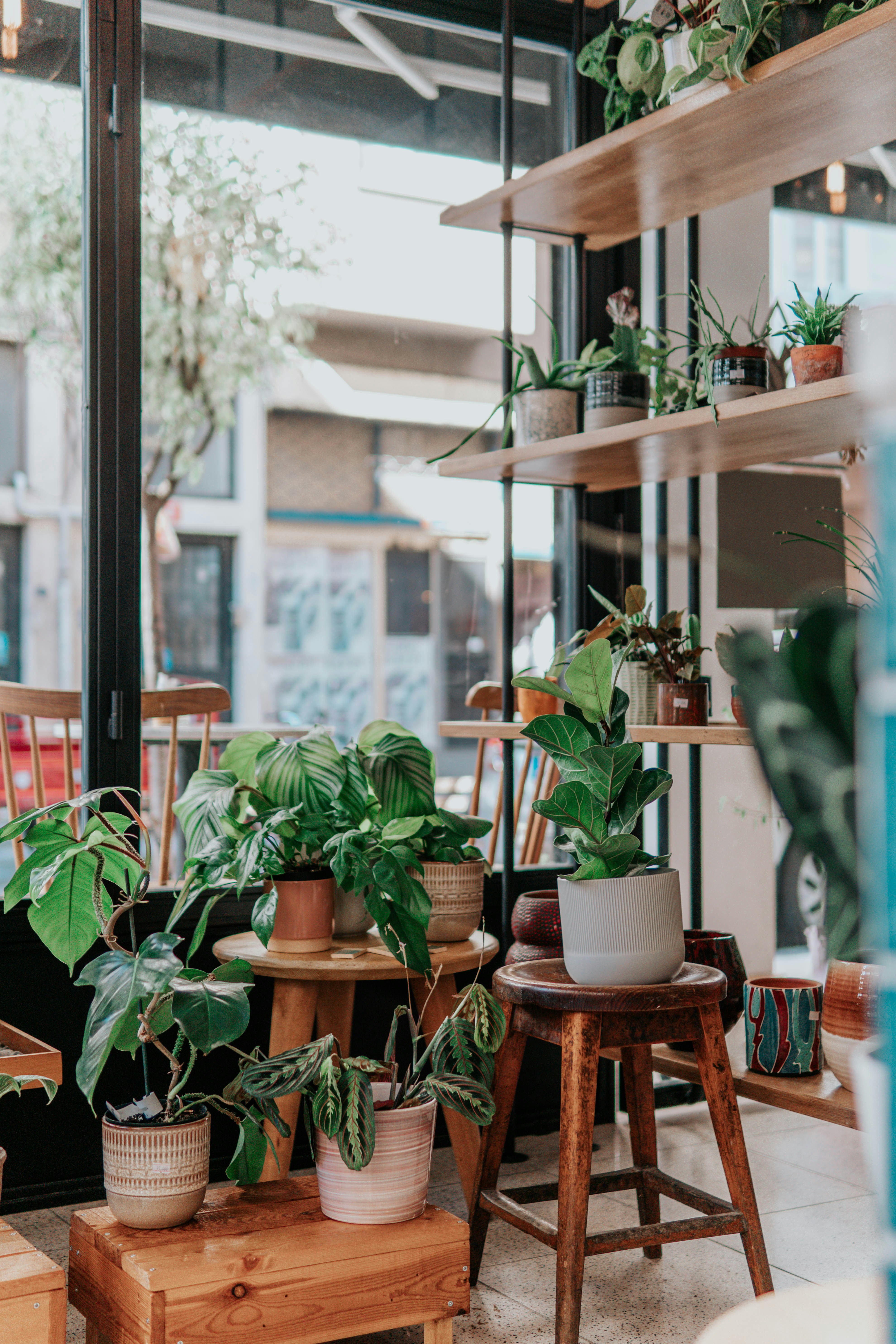
Key takeaways
Move plants toward the light. Iowa State Extension says light levels drop quickly as you move away from a window, and that spots more than a few feet from even a bright window are often too dim for houseplants.
Water less, and check first. The University of Maryland Extension says overwatering is usually the number one reason houseplants die in winter. Don't water until the top inch or so of soil feels dry.
Dry heated air is the big stressor. Many houseplants prefer 40% to 50% relative humidity, while many homes sit at just 10% to 20% in winter, according to Iowa State. A humidifier is one of the most reliable ways to close that gap.
Keep plants off cold glass and away from heat. The Royal Horticultural Society warns that radiators can brown leaf margins and that cold drafts can make a plant collapse.
Skip the fertilizer until spring. Clemson's Home & Garden Information Center says plants that have gone into a winter rest period shouldn't be fertilized.
Why houseplants struggle in winter
Many houseplants slow down in winter. The days are short and the furnace dries out the air. A plant that thrived on a shelf in July can drop leaves there in January.
The fix is usually a handful of small adjustments. Give plants more light, less water and food, and more moisture in the air, and keep them out of the hot and cold spots every heated home has.
1. Get your plants more light
Iowa State Extension calls light the most limiting factor for indoor gardeners, and notes that light falls off quickly with distance from a window. So a plant that sat several feet from the glass all summer may need to move right up to it for the winter. South- and east-facing windows often give the most light.
Don't leave the curtains drawn during the day. Iowa State says curtains and sheers can greatly reduce the light reaching a plant.
Turn each pot every few weeks so all sides get equal light. The University of Minnesota Extension suggests this for plants that start leaning toward the window.
Clean the leaves as well. Clemson's HGIC recommends wiping the upper and lower surfaces of each leaf with a damp cloth, and using a soft brush on hairy-leaved plants such as African violets.
When to add a grow light
Iowa State says nearly all houseplants would benefit from some supplemental light in winter. You don't need a specialized fixture: UMN says a full-spectrum bulb, including an LED, works.
Iowa State's setup guide puts fluorescent fixtures 6 to 12 inches from the foliage and LEDs 12 to 24 inches away in most cases. It suggests 12 to 14 hours of light a day for most species and no more than 16, with the lights on a timer.
2. Water less often, and check before you do
Plants use less water when they grow slowly, so the summer schedule tends to drown them. The University of Maryland Extension says overwatering is usually the number one reason houseplants die in winter, and that it leads to root rot. It also warns against assuming once a week is the right interval.
Check the soil instead of the calendar. Iowa State's rule: if the soil is dry about an inch down, water; if it's still wet, check again in a day or two. UMD suggests letting most of the soil dry to the feel of a wrung-out dish towel, not bone dry and not soggy.
Lifting the pot works too. UMD suggests learning how heavy each pot feels right after a thorough watering, so you can judge by weight when it needs more. In a cool room, the RHS says, many houseplants can go a week or two without water, and UMN recommends pots with drainage holes to prevent root rot.
3. Raise the humidity around your plants
Heated winter air is dry. Penn State Extension explains that cold outdoor air holds little moisture to begin with and the heating process removes more, so indoor humidity can easily fall below 30%. That's under the 30% to 60% range ASHRAE recommends for homes.
Most houseplants want more than that. Iowa State says many prefer 40% to 50%, and that low humidity leads to slow growth, dried-up flower buds, and brown leaf tips and edges. Cacti and succulents are the main exception.
Here's what raises humidity for plants:
A room humidifier. Iowa State calls humidifiers one of the most reliable ways to raise humidity for houseplants, and Penn State says they benefit people and plants alike, with a portable unit for a smaller space. Aim for 40% to 50%; that's inside the EPA's 30% to 50% range for homes. Our air purifier or humidifier guide covers sizing, and our humidifier cleaning guide sets out the quick refill-and-rinse routine.
Grouping plants together. Water evaporating from the soil and leaves raises humidity around the cluster. Penn State says how much it does depends on the number of plants and the size of the room.
A pebble tray. Set pots on a tray of pebbles with water below the bottoms of the pots. UMD says this raises humidity in the area around the plant, though Penn State notes the effect on the room as a whole is small.
A terrarium or cloche. Iowa State and Penn State both suggest glass enclosures for small humidity-loving plants.
Misting has limited effect. Iowa State and Penn State both say the humidity boost doesn't last more than a few minutes, though Iowa State finds misting handy for rinsing dust off leaves. If you mist, UMD advises tepid water early in the day, and skipping fuzzy-leaved plants.
4. Keep plants away from drafts, radiators, and heating vents
Iowa State puts the ideal range for most houseplants at 65°F to 75°F and says to avoid temperatures below 55°F. It notes that most homes won't get that cold, so the problems usually come from hot and cold pockets around the house.
The RHS houseplant guide names the main ones: radiators can brown leaf margins, cold drafts can shock a plant into collapse, and the gap behind drawn curtains gets very cold on winter nights. Iowa State adds the warm draft from a heat register and the cold one from a front door opening.
Before the coldest weeks, walk the house once:
Pull pots back from radiators, baseboard heaters, and forced-air vents.
Keep them clear of exterior doors that open often.
At night, keep plants on the room side of drawn curtains, or move them off the sill.
Make sure leaves aren't touching cold window glass.
Drafts you can feel are worth sealing anyway, and our guide to keeping your house warm in winter covers how.
5. Hold off on fertilizer until spring
A plant that isn't growing can't use extra nutrients. Clemson's HGIC says many indoor plants that get little or no artificial light in winter enter a resting stage, and that plants in a winter rest period shouldn't be fertilized.
Iowa State recommends feeding most houseplants once or twice a month from March or April through November or December, with less during the short days of winter. The RHS says any winter feeding should be limited to once a month, so a plant pushing out new growth under grow lights gets that at most. For everything else, wait for spring.
6. Watch for spider mites in dry air
Dry, warm rooms suit spider mites. The University of Minnesota Extension calls them the number one houseplant pest and says they thrive in the warm, dry conditions homes provide in winter. They're hard to spot until there are many of them.
Early signs, according to the Missouri Botanical Garden, include stippled, yellowing, dirty-looking leaves and fine webbing around buds and leaves. The mites are about the size of pepper grains. To check, UMN suggests tapping a leaf over a white sheet of paper and looking for orange specks.
UMN says washing houseplants regularly through winter keeps mites in check, and that horticultural oils and insecticidal soaps are generally safe indoors when you follow the label. Palms, philodendrons, and figs tend to see more outbreaks.
Winter houseplant problems: symptoms, causes, and fixes
Start with the leaves. The Missouri Botanical Garden says almost any stress, from a change in light to a move across the room, can cause leaf drop, and that less light, lower humidity, and hot air from heating all bring it on. It's a long list of triggers, so use this table as a starting point.
Symptom | Likely winter cause | Fix |
Yellowing leaves, soft brown roots, wet soil | Overwatering | Let the soil dry down an inch or so before watering; make sure the pot drains |
Brown leaf tips and edges | Low humidity, or soil drying out too long | Raise humidity with a humidifier or grouping; water on a steadier schedule |
Brown leaf margins on a plant near the heat | Heat from a radiator or vent | Move the plant away from the heat source |
Leaf drop soon after a move or cold snap | Stress from a draft, chill, or new spot | Find a stable, draft-free spot and leave the plant there |
Spotted, wilting, or discolored leaves after a cold spell | Chilling injury | Move it to a warmer spot away from cold glass; remove damaged leaves |
Pale leaves, long stems, leaning | Too little light | Move it closer to a window, rotate it, or add a grow light |
Stippled leaves with fine webbing | Spider mites | Wash the plant and treat with insecticidal soap or horticultural oil |
Iowa State calls low humidity the most common reason for brown leaf tips, and MBG notes that wet soil plus cold temperatures often leads to root rot.
What to do this week
Start with these six steps, in this order:
Feel the soil in every pot and skip watering anything still damp an inch down.
Move the plants that need the most light to your brightest window and wipe their leaves.
Check for radiators, vents, and drafty doors near each plant, and move any that are too close.
Put a hygrometer near the plants. If it reads below 40%, group them and run a humidifier nearby.
Put the fertilizer away until March.
Tap a few leaves over white paper and look for spider mites.
Some leaf loss is normal in winter, especially for plants that spent the summer outdoors. MBG says that kind of leaf drop is almost certain, and that the plant may slowly adapt if watering isn't the cause.
Frequently asked questions
How often should I water houseplants in winter?
Less often than in summer, with no fixed schedule. Check the soil and water only when it's dry about an inch down, per Iowa State Extension.
Do houseplants need a humidifier in winter?
Many do. Iowa State says many houseplants prefer 40% to 50% humidity while winter homes often sit at 10% to 20%, and it calls humidifiers one of the most reliable ways to raise it.
Does misting houseplants raise humidity?
Not for long. Iowa State and Penn State Extension both say the boost lasts only minutes, so a humidifier, grouping plants, or a pebble tray works better.
Should I fertilize houseplants in winter?
Usually not. Clemson's HGIC says not to fertilize plants in a winter rest period, and Iowa State suggests starting again in March or April.
Why are my houseplant's leaves turning yellow in winter?
Overwatering is the first thing to check. Yellowing can also come from too little light, cold drafts, or chilling injury, so check the soil first and then the plant's spot.
Why does my houseplant have brown tips in winter?
Low humidity is the usual reason. Iowa State calls it the most common cause of brown leaf tips, though letting soil dry out too long between waterings and heat from a nearby radiator can do it too.
Do houseplants need grow lights in winter?
Often, yes. Iowa State says nearly all houseplants would benefit from some supplemental light in winter, and UMN says a full-spectrum LED bulb works without a specialized fixture.
NB
Written by
Organizing, laundry, and comfort
Nora writes about organizing, laundry, and keeping a home comfortable through the seasons, with steps that fit into a busy week.


